Recent Project in Limoges
Kitchen sink plumbing in Limoges with a garbage disposal: new PVC drain and P-trap, the disposal tied into the waste line, and the dishwasher and supply connections completed under the sink.

Kitchen sink plumbing in Limoges with a garbage disposal: new PVC drain and P-trap, the disposal tied into the waste line, and the dishwasher and supply connections completed under the sink.
Limoges is a village in The Nation municipality, southeast of Ottawa off the 417, and it is one of the fastest-changing communities in the region. Subdivision building has added a great deal of new housing to what was a small rural village, which means the plumbing here is unusually young: PEX supply, plastic drainage, modern fixtures and none of the corrosion problems that define older neighbourhoods. What newer housing brings instead is installation defects that surface in the first several years, and a lot of owners who have never had to ask whether their property is on municipal service or on its own well. That question matters here, because Limoges contains both. Inside the village core properties are generally on The Nation's municipal water and sewer, while properties outside it draw from private wells and discharge to private septic beds.
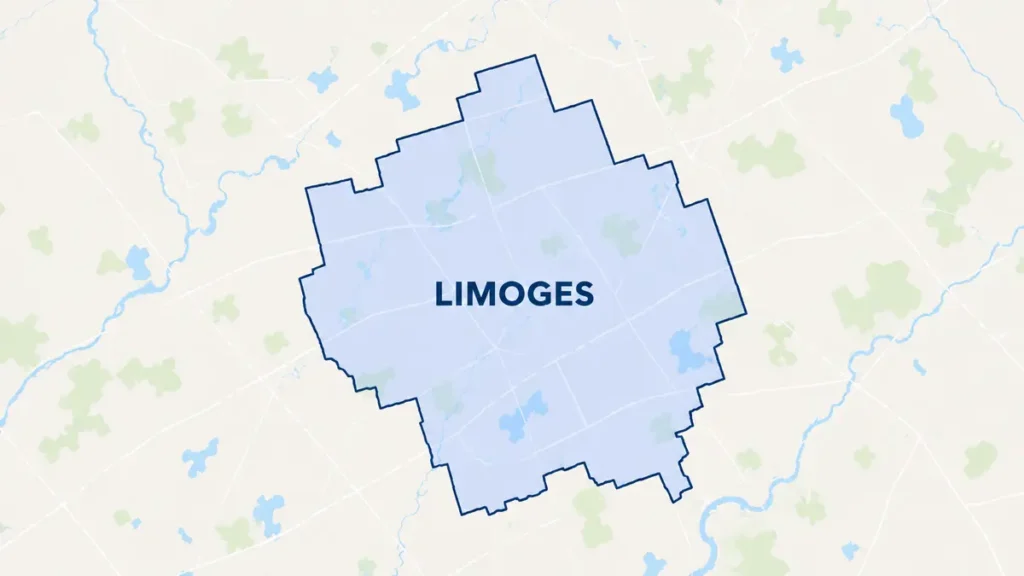
The second thing to be clear about is jurisdiction, because Limoges is not in the City of Ottawa and Ottawa’s rules do not follow you out here. The City’s Residential Protective Plumbing Program, its permit process and its inspection arrangements all stop at the city boundary. Permits for work that requires them run through The Nation municipality, and whether any local rebate or support program exists for flood protection is a question for the municipal office rather than for a contractor. We would rather say plainly that we do not administer or speak for another municipality’s programs than guess at them. What we can do is tell you accurately what work requires a permit and make sure the job is done to be inspected, and confirm the local process before starting rather than assuming it mirrors the city.
Fitting and workmanship faults that surface a few years after possession, plus basement finishing rough-ins and water heaters coming due together.
Restaurants, retail and visitor-facing businesses where fixtures take heavy seasonal load and drains cannot be out of service in the busy months.
Pump, pressure tank and drainage work on lots outside the serviced village core, where the whole system is privately owned.
What makes Limoges genuinely different from other villages its size is the seasonal commercial load. The area draws significant summer visitor traffic, and businesses built around that pattern have plumbing that is opened up in spring and shut down in autumn rather than run continuously. Seasonal systems have their own failure list. Lines that sat stagnant over the winter need flushing before service. Traps that dried out let sewer odour into a building that was closed. Anything not fully drained before the first hard freeze splits somewhere you cannot see and only announces itself when pressure goes back on in May. Fixtures designed for occasional domestic use fail quickly under continuous public use. And commercial premises have backflow prevention obligations that a house does not, with devices that need testing rather than just installing. Planning the shutdown properly in October is what makes the spring startup uneventful. The businesses that get caught out are almost always the ones that treated closing up as turning taps off, because a system that is merely switched off still holds water in every low point, and the bill for that arrives in April rather than in November.
The useful mental model for the residential side is that a Limoges subdivision house does not fail from age, it fails from how it was put together. Everything went in once, quickly, during a busy build.
It holds through the pressure test and begins to weep later, which is why the first sign is usually a stain on a ceiling rather than a burst.
The line develops a sag that holds water and solids, and the drain slows for no reason an owner can see.
Set to the wrong depth at rough-in, it becomes an access and finishing problem rather than a simple swap.
Installed without the fall it needs to drain before winter, it splits in the first cold snap and is found when the tap is opened in spring.
If your house is still young, it is worth checking where you stand with Ontario's new home warranty program before paying for a repair, because plumbing distribution defects carry coverage for a defined period from possession and plenty of owners pay for work that was still covered.
Whether the property is on The Nation's municipal water and sewer or on a private well and septic, since that decides who owns which part of the problem.
Any required permit runs through The Nation, not the City of Ottawa, and we confirm local requirements rather than importing Ottawa's.
A building that shuts down over winter needs draining, isolating and a planned startup, which is a completely different job from a year-round property.
Rural properties around the village are the third category and they behave nothing like the first two. On a private well the pump, the pressure switch, the pressure tank and the buried line are all yours, and a failure removes water entirely rather than reducing it. Water character varies well by well out here, so iron staining, sulphur odour and hardness are all live possibilities that no city advice covers, and treatment should be specified from a test of your own water rather than from what a neighbour installed. Septic adds its own habits: chemical drain cleaners are a poor idea, heavy back-to-back laundry loads push a bed that may already be wet, and every drain slowing at once is a system signal rather than a fixture one. Whichever of the three categories you are in, our commercial and residential plumbing from Ottawa reaches Limoges with written quotes before work begins.
Limoges is in The Nation, not the City of Ottawa. We confirm local permit requirements and do not quote you a City of Ottawa rebate that does not apply.
Autumn shutdowns and spring startups on visitor-facing property are planned work, not something to improvise the week you reopen.
Backflow prevention devices installed and tested, grease handled, and work scheduled around the hours a business actually needs.
In a young subdivision house the answer is a fitting, a support or a valve, and we look there rather than telling an age-and-corrosion story.
No. Limoges is part of The Nation municipality, not the City of Ottawa, so the City's Residential Protective Plumbing Program does not apply to properties here. Permits for work that requires them go through The Nation, and whether the municipality runs any support program of its own is a question for the municipal office. We will confirm local permit requirements for the job, but owners should check program questions locally rather than relying on a contractor.
It depends where you are. Properties in the serviced village core are generally on The Nation's municipal water and sewer, while lots outside the serviced area draw from private drilled wells and discharge to private septic beds. That distinction decides everything about responsibility: on a private system the pump, tank, buried line, septic tank and bed are all yours, with no utility standing behind any of them.
Properly draining it is the whole job. Water has to be shut off and the system drained down rather than just turned off, low points and any trapped runs cleared, outside taps and irrigation isolated and emptied, and traps protected so they do not simply dry out and let odour in. Anything left holding water will split somewhere you cannot see, and you will not find out until pressure goes back on in spring. Planning the shutdown is what makes the startup uneventful.
Commercial premises generally carry backflow prevention obligations that a house does not, because the risk of contaminating a shared supply is higher where there is equipment, chemicals or food service involved. Devices need to be installed correctly and then tested rather than fitted and forgotten. The specific requirements are set locally, so we confirm what applies to your premises and the municipality rather than assuming a city standard covers you.
Newer houses do not fail from corrosion, they fail from installation. Every fitting and hanger went in once during a fast build, and the ones that were not quite right take a few years to present as a stain, a smell or a slow drain. That timing is normal for new construction. It is also worth checking your position with Ontario's new home warranty program first, since plumbing distribution defects carry coverage for a defined period from possession.
Yes. Rural lots outside the serviced village are a regular part of our work here, including well pump and pressure tank problems, buried service line leaks between well and buildings, outdoor and barn hydrants that no longer drain properly before winter, and drainage on properties running septic systems. We travel out to those addresses on the same dispatch as village calls, with the price and scope written down before anything starts.