Frozen Pipe Overnight: What to Do in Ottawa
A frozen pipe does not always leak right away. In some cases, damage only becomes obvious after the ice begins to thaw and water starts moving through the pipe again.
If you wake up during a cold snap and a faucet has stopped working, first determine whether the problem affects one fixture, one area of the house, or the entire property.
If water is already leaking: shut off the home’s main water valve if you can reach it safely. Stay away from standing water near outlets, appliances, wiring, a furnace, or an electrical panel.
If the whole house has no water but there is no visible leak: check for a City service issue or contact 3-1-1 before assuming the freeze is inside the house.
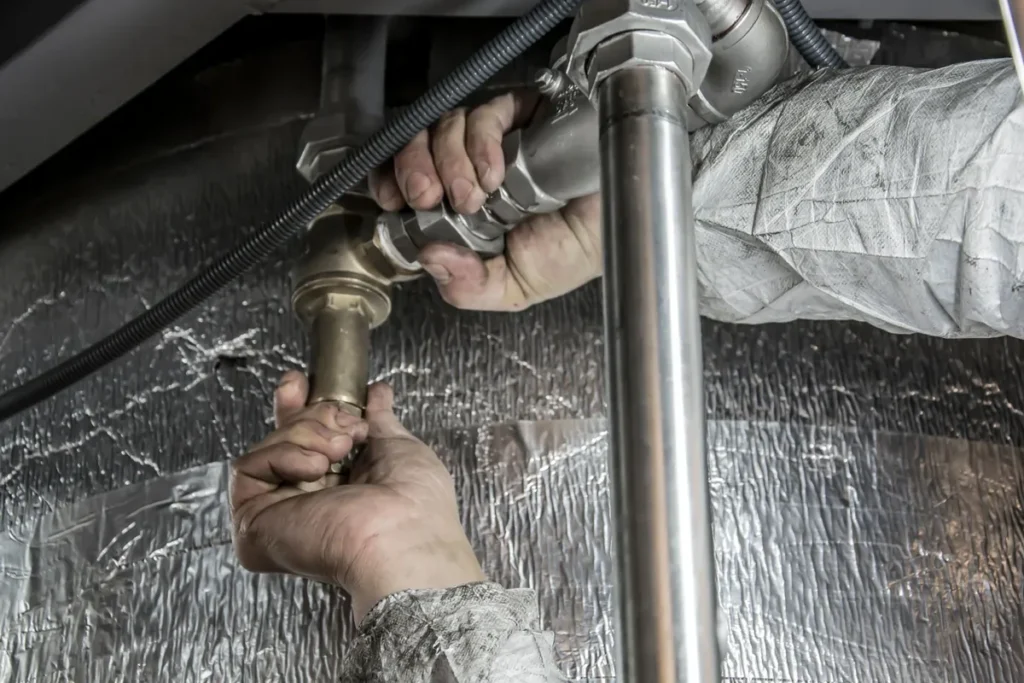
Start With the Scope of the Problem
If only one faucet, bathroom, or group of nearby fixtures has no water, the problem is more likely to involve a local section of the home’s plumbing.
Pipes near exterior walls, garages, crawlspaces, rim joists, additions, and poorly heated rooms are common trouble spots.
If there is no water anywhere in the house, check for a broader service issue before opening walls or arranging interior plumbing work.
In Ottawa, a frozen water service can affect the line between the street and the house. During severe cold, the City may issue instructions to affected properties, including run-water advisories. If the entire home has lost water and you have not received a notice, contact 3-1-1 and check whether there is a known municipal or service-line issue.
A plumber can diagnose and repair plumbing within the property, but an underground service problem may require City involvement.
Check Before You Start Thawing
A dry faucet is a clue, not a diagnosis. A closed valve, municipal interruption, plumbing failure, or frozen line can all stop water flow.
Check the hot and cold sides separately. If only one side is affected, the problem may be limited to that supply line. If both are affected, the problem may be farther upstream.
Look for exposed piping in likely cold areas, including:
- under sinks against exterior walls
- basements and crawlspaces
- garages
- rim-joist and sill areas
- additions or poorly heated rooms
- outdoor faucet connections
If you can see the pipe, inspect it before applying heat. A bulge, split, crack, or active leak is a reason to stop and shut off the water if it is safe to do so.
Do not open drywall simply because you suspect a pipe is frozen. If the line is concealed, professional diagnosis is usually the better next step.
When It Becomes an Emergency
A frozen pipe becomes an urgent problem once water starts escaping or an electrical hazard is involved.
Shut off the home’s main water valve if a pipe is leaking and you can reach the valve safely.
Stay out of standing water near outlets, appliances, wiring, a furnace, or an electrical panel. Do not cross a wet floor to reach electrical equipment.
Call for professional help if:
- a pipe is visibly split or badly bulged
- water is leaking through a ceiling or wall
- the main shutoff does not work
- the frozen section is hidden or difficult to reach
- water is near electrical equipment
- water returns and you suspect a concealed leak
- you cannot safely determine where the freeze or leak is located
How to Thaw an Accessible Pipe
If the pipe is exposed, shows no visible damage, and can be reached safely, use controlled, gradual heat.
Open the faucet served by the frozen line before thawing. This allows water to flow as the blockage clears and lets you see when flow begins returning.
Warm the pipe gradually with a safe heat source such as an electric heating pad or hair dryer. You can also warm the surrounding room if the pipe is in a cold basement, cabinet, or similar area.
Keep watching the pipe and surrounding area while it thaws.
Never use a torch or open flame. Do not use barbecues, camping heaters, generators, or other outdoor fuel-burning equipment indoors or in a garage. Keep electrical heating equipment away from water.
If the pipe is concealed, damaged, wet around electrical equipment, or difficult to access safely, stop and call a professional.
When the Water Comes Back
Restored flow does not prove the pipe is undamaged.
Freezing can damage a pipe or fitting, and a leak may not become visible until water starts moving through the line again.
Once flow returns, inspect the pipe and the areas around it.
Look for:
- dripping from the pipe or fittings
- damp drywall or ceilings
- water inside cabinets
- new stains below plumbing routes
- hissing or dripping behind finished walls
- an unexplained drop in water pressure
If your water meter is accessible, check it when fixtures and known water-using appliances are not operating. Unexpected movement may indicate that water is flowing somewhere in the system, but it does not identify the source.
If you find evidence of a leak, shut off the main water supply and arrange an inspection.
If the Pipe Has Burst
A burst pipe needs immediate attention.
Shut off the main water supply if it is safe to reach. Keep people away from wet areas involving electrical equipment, and move belongings away from the leak where you can do so safely.
For significant damage:
- take photos before major cleanup
- record when you discovered the problem
- note the steps you took to limit further damage
- keep plumbing, drying, restoration, and repair invoices
- contact your insurer or broker promptly
- follow the insurer’s instructions for emergency repairs and damaged property
If water has reached electrical equipment, additional inspection may be needed before that equipment is used again.
Why the Pipe Froze in the First Place
Thawing a pipe solves the immediate blockage. It does not solve the underlying condition.
If the same line freezes repeatedly, look for the reason cold air is reaching it.
Common risk areas include:
- pipes in exterior walls
- plumbing beside or above garages
- crawlspaces
- rim-joist areas
- cold cabinets
- seasonal buildings
- outdoor faucet connections
- gaps that allow outside air to reach the pipe
Insulation helps, but insulation alone is not always enough. A small air leak can expose a pipe to very cold outdoor air even when the surrounding cavity is insulated.
Long-term fixes may include air sealing, improved insulation, more reliable heat, pipe relocation, or correction of the outdoor plumbing installation.
Properties that receive a specific City run-water notice should follow the instructions in that notice rather than relying on general advice.
Running Water During Extreme Cold
In some circumstances, allowing a small amount of water to run can reduce freeze risk.
That is different from dealing with a pipe that is already frozen.
In Ottawa, properties with known frozen-service problems may receive specific run-water instructions from the City. Follow the specified flow rate and duration rather than choosing your own.
Running water also does not make a damaged pipe safe. A cracked, bulging, or leaking pipe still needs inspection.
What Frozen Pipe Repair Can Cost
There is no useful flat price for frozen-pipe work because the scope varies considerably.
An exposed pipe that only needs safe thawing is very different from a split pipe above a finished ceiling or a frozen underground service line.
Cost usually depends on:
- whether the pipe is exposed or concealed
- pipe and fitting material
- whether the pipe has actually split
- how many locations are damaged
- wall or ceiling access
- emergency or after-hours service
- water-damage cleanup
- drying and restoration
- correction of the condition that caused the freeze
When comparing quotes, separate the emergency work from the long-term correction.
Stopping a leak, replacing pipe, repairing drywall, improving insulation, and sealing air leaks are different parts of the job and may be priced separately.
Insurance
Frozen and burst-pipe damage may be covered by home insurance, but coverage depends on the policy and the circumstances.
If a pipe bursts, document the damage, note when you discovered it, record the steps you took to limit further loss, and keep invoices for emergency plumbing and restoration work.
For an actual coverage decision, rely on your insurer, broker, and policy wording rather than a general article.
When to Call a Plumber
Call a plumber when the symptoms point to plumbing within the property, or when you cannot safely determine where the freeze or leak is located.
That includes situations where:
- a pipe is leaking
- a visible pipe is cracked or bulging
- the frozen section cannot be reached safely
- the shutoff valve does not work
- the pipe freezes repeatedly
- water returns but signs of a hidden leak appear
- the plumbing is close to electrical equipment
- you are not comfortable thawing the pipe yourself
If the entire house has no water, check for a City or service-line issue first.
The main point is simple: getting the water moving again is only the first step. After a freeze, check for damage and correct the condition that allowed the pipe to freeze in the first place.