Sump Pump Failure During Ottawa Spring Melt: What to Check and When to Call a Plumber
When the snow starts melting in Ottawa, sump pumps can work much harder than they do during the rest of the year. A pump that runs more often during a spring thaw is not necessarily failing. The important question is whether it is keeping up with the water entering the sump pit.
If your basement is already flooding, start by figuring out where the water is coming from. Water rising in the sump pit points toward the drainage system. Water coming from a floor drain, toilet, foundation wall, window, or door may have a different cause.
If there is standing water near electrical outlets, appliances, or other electrical equipment, do not enter the water or try to work on the pump. Electrical hazards need to be dealt with before anything else.
Plumbing Services Ottawa provides emergency plumbing service in Ottawa, including sump pump repair and installation.
First: Is the Sump Pump Actually Failing?
A few simple observations can narrow down the problem quickly.
| What you see | What it could mean |
|---|---|
| The sump pit is full and the pump is silent | Power problem, stuck float, failed motor, or electrical fault |
| The pump is running but the pit keeps filling | Blocked discharge, damaged piping, inadequate pump capacity, or very high water inflow |
| The pump runs almost constantly | Heavy groundwater inflow, restricted discharge, float problem, or an undersized system |
| The pump starts and stops every few seconds | Float-switch, check-valve, or discharge problem |
| The sump pit is not particularly full but the basement is flooding | Foundation leak, surface water, plumbing leak, or sewer backup |
| Water is coming from a floor drain or plumbing fixture | Possible sewer backup rather than sump-pump failure |
| The pump stops during a power outage | A backup power or secondary-pump solution may be needed |
The mistake to avoid is replacing the pump before finding out why the basement is flooding.
A new pump cannot fix a blocked discharge pipe, a sewer backup, water entering through a foundation wall, or surface water coming through a window well.
Why Ottawa’s Spring Thaw Puts Sump Pumps to the Test
During a spring thaw, snowmelt and rain can put a lot more water around a foundation. Some of that water can make its way into the foundation drainage system and eventually into the sump pit.
That means a healthy pump may run much more frequently than usual.
The City of Ottawa identifies snowmelt, rainstorms, overland flooding, sewer surcharge, blocked sewer laterals, and foundation leakage among the potential causes of basement flooding.
The practical takeaway is simple: more pump activity during a thaw is normal; a pump that cannot remove the incoming water is not.
If the pump is running and the pit level continues to rise, look at the discharge before assuming the motor has failed.
Check the Discharge
A sump pump can sound perfectly normal while failing to move water out of the house.
If the pump is running, check whether water is actually leaving through the discharge pipe, provided you can do so safely.
Problems can include:
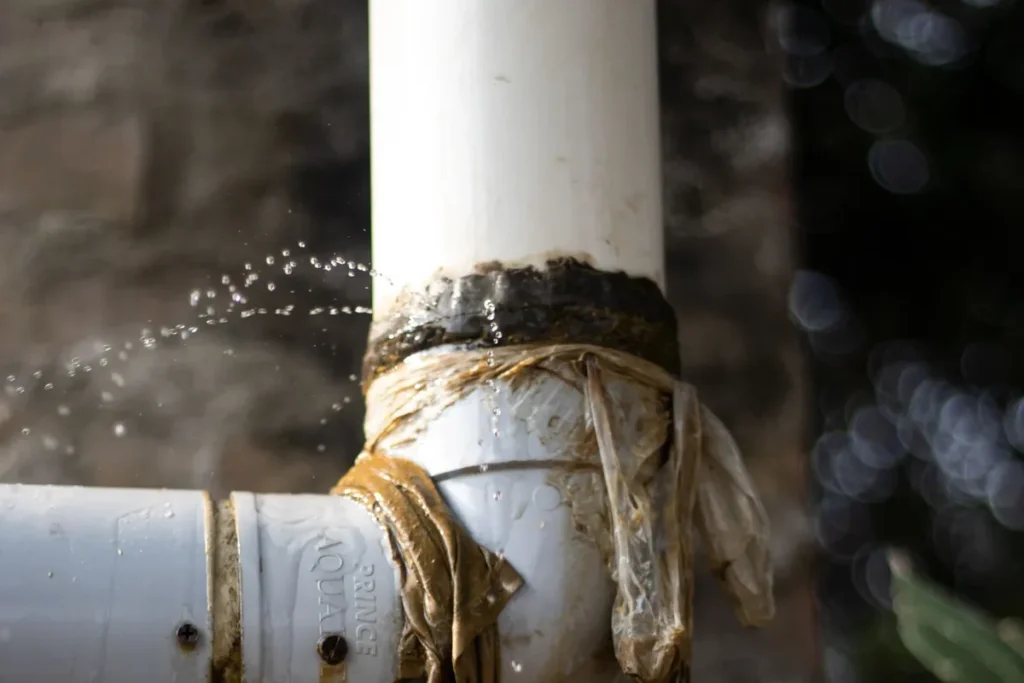
- A blocked discharge pipe
- A disconnected pipe
- Damaged piping
- A frozen section
- A failed check valve
- Water discharging too close to the foundation
- A discharge arrangement that cannot handle the required flow
If the pump runs but the water level barely changes, this is one of the first things that should be investigated.
Ottawa advises homeowners to ensure that sump pumps discharge to the storm sewer or to the ground at least 1.2 metres from the foundation, where applicable. The correct setup depends on the property and its existing drainage system.
Do not assume that moving or reconnecting a discharge pipe is a simple modification. Improper drainage can send water straight back toward the foundation.
What If the Pump Does Not Turn On?
If the sump pit is filling and the pump is silent, several things could be wrong.
The float may be stuck. The pump may have lost power. The motor may have failed. There may be an electrical problem elsewhere in the system.
If the area is dry and safe to access, you can check whether the pump is plugged in and whether the float can move freely. Do not reach into standing water or handle electrical connections in a flooded area.
If the pump still does not operate, especially while water continues to rise, professional help may be necessary.
What If the Pump Runs Constantly?
A pump that runs continuously during a major thaw is not automatically defective.
There may simply be a large amount of water entering the drainage system.
Continuous operation becomes more concerning when:
- The water level is not falling
- The discharge is restricted
- The pump continues running after the pit has emptied
- The pump is overheating
- The float is sticking
- The system cannot keep up with normal inflow
Replacing the pump without finding the reason for the excessive runtime can leave the underlying problem untouched.
When the Sump Pump Is Not the Problem
Not every wet basement is a sump-pump problem.
Water from a floor drain or toilet
If water is coming up through a floor drain, toilet, or another plumbing fixture, a sewer backup may be involved.
Ottawa identifies blocked laterals, tree roots, structural defects, and other sewer problems as possible causes of basement flooding.
If a sewer backup is suspected, avoid adding more water to the drainage system. That means limiting the use of toilets, showers, sinks, washing machines, and other fixtures until the source is understood.
Water through the foundation
Water entering through a foundation crack or floor-wall joint points to a different type of problem.
Depending on the situation, the solution may involve exterior drainage, grading, crack repair, window-well protection, or another waterproofing measure.
A new sump pump will not necessarily stop water that is bypassing the drainage system altogether.
Water coming through a door or window
Spring runoff can also travel across a property and enter through basement windows, window wells, doors, or other low points.
Look at the grading around the house and where downspouts discharge. Ottawa recommends keeping water directed away from the foundation and maintaining drainage around the property.
What to Do During an Active Basement Flood
If water is already entering the basement, don’t spend time trying to diagnose the pump if doing so puts you at risk.
If the area is safe:
- Find out where the water is entering.
- Stay away from standing water if electrical equipment may be affected.
- Check whether the sump pump is running, without touching electrical equipment.
- Look for an obvious discharge problem from a safe location.
- Move valuables and equipment away from the water.
- If a sewer backup is suspected, stop using plumbing fixtures.
- Call an appropriate emergency service if the water continues to rise or the source cannot be identified.
- Take photographs of the damage for your insurer.
If electrical equipment has been exposed to water, have it assessed before entering or working in the affected area.
Repair or Replace the Sump Pump?
A failed pump does not automatically mean the entire system needs to be replaced.
Repair may be appropriate when the problem involves a component such as a float switch, check valve, or discharge connection.
Replacement is more likely to make sense when the motor or pump has failed, the equipment is unreliable, the pump cannot handle the required flow, or the existing installation is poorly suited to the property.
The pump’s age matters, but it should not be the only factor.
Before replacing it, determine what actually caused the failure.
What a Sump Pump Inspection Should Cover
A proper inspection should go beyond switching the pump on and confirming that the motor runs.
Depending on the installation, a plumber may check:
- Power supply
- Float-switch operation
- Pump condition and capacity
- Pump intake and impeller
- Check valve
- Discharge piping
- Discharge termination
- Sump-pit condition
- Water inflow
- Backup pump
- Battery backup
- Other possible sources of basement water
The goal is to find the reason the system is not keeping up.
Should You Have a Backup Sump Pump?
A primary sump pump is only useful while it has power.
That matters during storms because heavy rain can be accompanied by power outages. If groundwater is still entering the sump pit while the pump is offline, the basement can flood surprisingly quickly.
A battery-backed pump or a separate secondary pump can provide another layer of protection.
The right setup depends on the home. Some properties may benefit from battery backup for the primary pump. Others may be better served by a separate secondary pump.
Ottawa’s Residential Protective Plumbing Program provides rebates for certain qualifying sump-pump and battery-backup installations. Program requirements and rebate amounts can change, so homeowners should check the City’s current requirements before arranging work.
The City also states that the program does not cover routine maintenance, repairs, or replacement of existing protective plumbing devices.
A Sump Pump and a Backwater Valve Do Different Jobs
These two systems are sometimes confused.
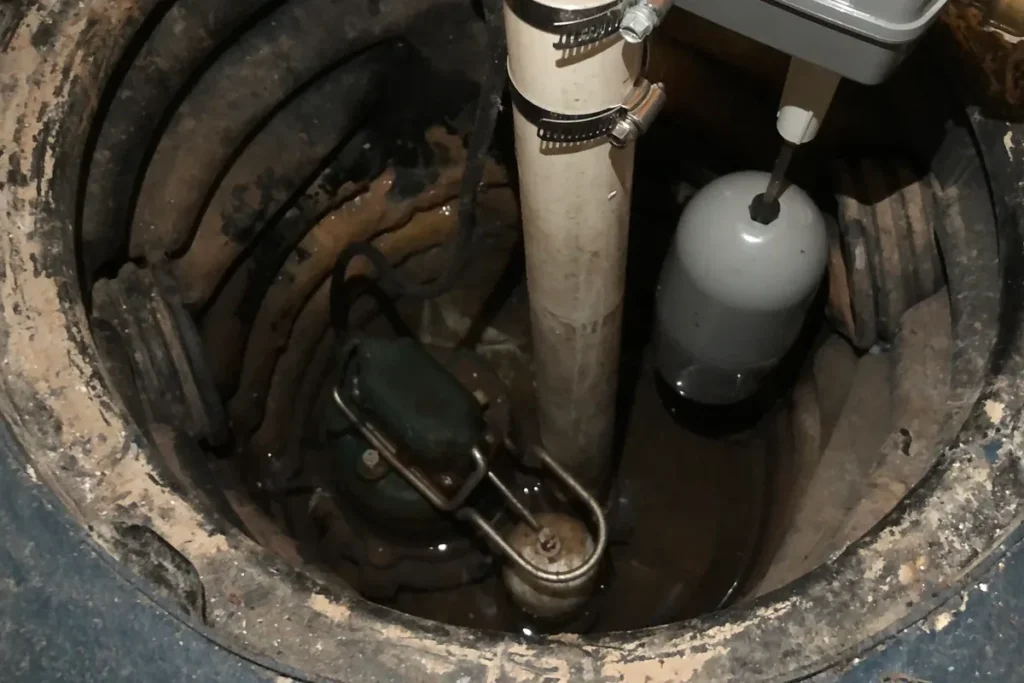
A sump pump handles water collected by the foundation drainage system.
A backwater valve is designed to reduce the risk of sewage entering the home when the sewer system becomes surcharged.
A home can therefore benefit from both. Installing a backwater valve does not solve a groundwater problem, and installing a sump pump does not prevent a sanitary sewer backup.
Ottawa’s Residential Protective Plumbing Program includes qualifying backwater-valve installations as well as certain sump-pump and backup-power installations.
How to Reduce the Chance of Another Basement Flood
There is no single device that eliminates every basement flooding risk, but several basic measures can help.
Before the next major thaw or storm:
- Test the sump pump.
- Make sure the float moves freely.
- Confirm that the discharge is working.
- Look for damaged or disconnected discharge piping.
- Test the battery backup if you have one.
- Keep window wells clear.
- Keep snow away from the foundation where practical.
- Make sure the ground slopes away from the house.
- Extend downspouts away from the foundation.
- Maintain backwater valves and other protective plumbing according to the manufacturer’s instructions.
Ottawa recommends directing downspouts away from the foundation and keeping snow away from foundations as part of its basement flood-prevention measures.
How Much Does Sump Pump Repair Cost in Ottawa?
There is no useful single price for sump pump repair.
A pump that needs a new float switch is a very different job from a failed pump that needs replacement, and both are different again from a blocked discharge or a drainage problem that requires additional work.
The final cost can depend on:
- The failed component
- Pump replacement requirements
- Discharge-pipe condition
- Access to the equipment
- Sump-pit modifications
- Backup-pump installation
- Battery backup
- Additional drainage work
- Emergency versus scheduled service
For that reason, an on-site diagnosis is usually more useful than trying to estimate the repair from the fact that the basement has flooded.
Plumbing Services Ottawa provides pricing information for its services. If the problem requires an inspection, the actual scope and cost should be confirmed before work begins.
When to Call an Emergency Plumber
Call for emergency help if:
- The sump pit is filling and the pump will not run.
- The pump is running but the water level continues to rise.
- The discharge is blocked or disconnected.
- A power outage has disabled the only working pump.
- Water is approaching electrical equipment.
- You cannot determine where the water is coming from.
- The basement is taking on significant amounts of water.
If the sump pump is working but water is entering through a foundation, plumbing fixture, window, or another location, the appropriate repair may be something other than sump-pump replacement.
Sump Pump Repair in Ottawa
Plumbing Services Ottawa provides plumbing services in Ottawa, including sump pump repair and installation.
When a basement floods during the spring thaw, replacing the pump is not always the answer. First determine whether the pump is actually failing, whether water is leaving the discharge, and whether the water is coming from the sump system at all.
That diagnosis can save you from replacing a pump that was never the real problem.