Sewer Backup in Ottawa: What to Do, Who Is Responsible, and How Repairs Work
A sewer backup can turn into a serious basement problem quickly. The first priorities are safety, stopping additional water from entering the drainage system, reporting the flooding to the City of Ottawa when appropriate, and getting the source of the backup identified.
If sewage or contaminated water is present, avoid contact with it. If floodwater has reached electrical outlets, cords, appliances, or gas-fired equipment, stay out of the affected area and contact the appropriate utility or emergency service for help. The City of Ottawa also recommends contacting your insurance company as soon as possible after a basement flood.
For homeowners dealing with an active backup, a plumber can investigate the private drainage system while the City can investigate whether the municipal sewer is involved.
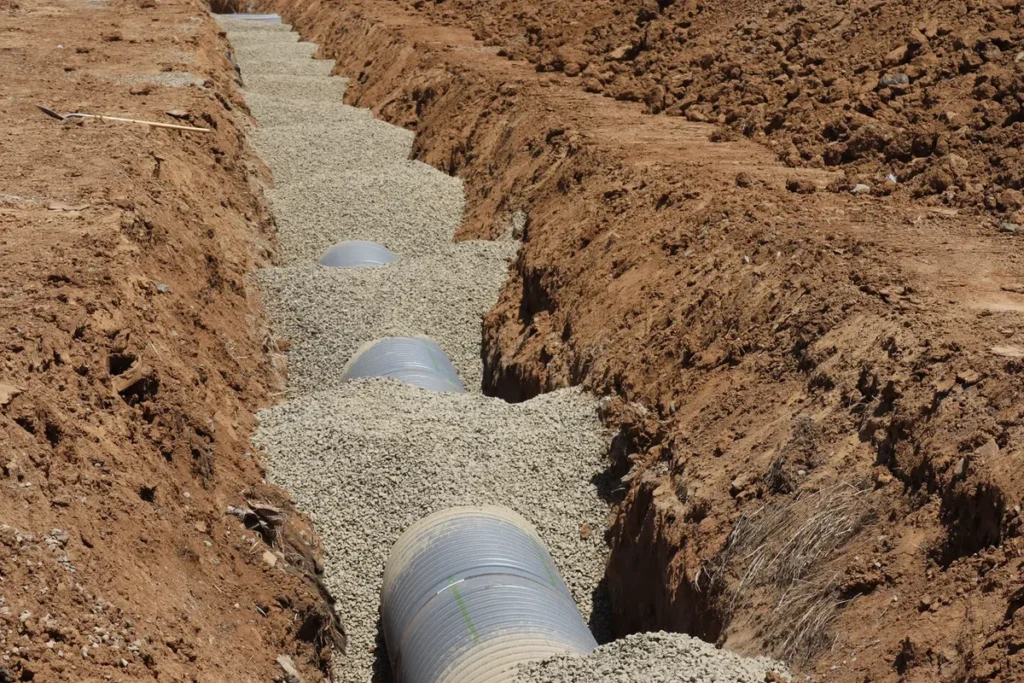
What to Do First When Your Basement Is Backing Up
1. Stop using water
Do not flush toilets, run sinks, start the washing machine, or use other fixtures that send water into the drainage system until you know what is causing the backup.
Additional water entering a blocked or surcharged drainage system can make the situation worse. The City of Ottawa gives similar advice for basement flooding.
2. Stay away from contaminated water
If the water may contain sewage, treat it as contaminated. Avoid unnecessary contact and keep children and pets away from the affected area.
If electrical equipment or outlets are exposed to floodwater, do not walk through the water to reach them. Contact your utility provider or another qualified professional for assistance.
3. Report the basement flooding to 3-1-1
The City of Ottawa asks residents to report basement flooding through 3-1-1 or its online reporting system. The City can investigate whether the municipal sewer system is involved.
Reporting the flood does not replace calling a plumber. The City and a private plumber may be investigating different parts of the drainage system.
4. Contact your insurance company
Do not assume that every basement flood is automatically covered as a sewer backup. Coverage depends on your policy and the source of the water.
Your insurer can explain the applicable coverage and claim procedures.
5. Document the damage
Take photos and videos before removing damaged materials where it is safe to do so. Keep receipts and invoices for cleanup, equipment, repairs, disposal, and other related expenses.
This documentation can also be important if you later apply for an eligible City program.
6. Be careful with the sewer clean-out
The City specifically advises homeowners not to attempt to open sewer clean-out caps during a basement flood. If you are unsure what to do, have a qualified professional inspect the system.
Is It Actually a Sewer Backup?
Not every basement flood comes from the sanitary sewer.
Water entering through a foundation crack, window well, floor crack, or other opening can look similar to a sewer backup. A plumbing fixture that causes water to rise through a floor drain or basement plumbing fixture is a stronger indication that the drainage system may be involved.
| What you notice | What it may indicate |
|---|---|
| Water rises from a basement floor drain when a toilet is flushed | Possible blocked private sewer lateral |
| Multiple fixtures drain slowly or back up | Possible drainage blockage |
| Sewage appears at a basement plumbing fixture | Possible sanitary sewer backup |
| Water enters through foundation cracks | Possible groundwater or surface-water intrusion |
| Flooding occurs during or after heavy rainfall | Possible municipal sewer surcharge, groundwater, or surface-water intrusion |
| Only one fixture is affected | Possible local fixture or branch-drain blockage |
These symptoms are not a diagnosis. The exact source may require an inspection or camera examination.
Ottawa identifies several potential causes of basement flooding, including a blocked or damaged municipal sewer, a blocked private lateral, heavy rainfall, spring runoff, foundation problems, tree roots, and structural defects.
Why Does Sewage Back Up Through a Basement Drain?
There are two broad possibilities: a problem in the private drainage system or a problem involving the municipal sewer.
A blockage in the private sewer lateral
The sewer lateral carries wastewater from the property toward the municipal sewer.
A blockage can be caused by:
- Tree roots
- Grease and accumulated debris
- Paper and other foreign material
- Collapsed or damaged pipe
- Misaligned pipe sections
- A clogged backwater valve
- Other objects or buildup inside the line
Ottawa lists these among the potential causes of a blocked lateral.
A private sewer lateral can be functioning normally for years and then develop a blockage. The presence of a backup does not automatically mean the entire sewer line needs to be replaced.
A municipal sewer surcharge
The municipal sewer main can also become overloaded or experience a higher water level.
Ottawa identifies heavy rainfall, blockages, structural defects, and construction activity among possible causes of sewer surcharging. If the municipal sewer becomes surcharged and a property does not have adequate backflow protection, wastewater can potentially enter the home.
This distinction matters because clearing a private blockage and investigating a municipal sewer problem are different jobs.
Who Is Responsible for the Sewer in Ottawa?
Responsibility depends on which part of the system is affected and the circumstances of the problem.
In general, homeowners are responsible for the private plumbing and sewer infrastructure on their property, while the City is responsible for its municipal sewer infrastructure.
That does not mean every problem can be determined simply by looking at a property line. The actual location and nature of the defect matter.
If you suspect the municipal sewer may be involved, report the flooding to City of Ottawa through 3-1-1. The City states that it can investigate whether a basement flood is related to the sewer main.
For problems within the private plumbing system, a licensed plumber can inspect and repair the affected section.
Ottawa also maintains a Preventative Maintenance Program for certain properties where previous sewer backups have been confirmed to result from City-owned tree roots or structural defects on the City-owned portion of the sewer.
How a Plumber Finds the Problem
A good sewer investigation should start with the symptoms rather than assuming that the solution is a particular repair.
Depending on the situation, a plumber may:
- Determine which fixtures are affected.
- Check whether the line is blocked.
- Clear the blockage if appropriate.
- Run a sewer camera through the line.
- Identify roots, breaks, offsets, collapsed sections, or other defects.
- Determine whether a repair or replacement is actually necessary.
Cable drain cleaning
A drain cable can clear many ordinary blockages.
This can restore drainage quickly, but clearing the line does not necessarily identify why the blockage happened.
If roots, damaged pipe, or another recurring problem is suspected, a camera inspection may be appropriate after the line has been cleared.
Hydro jetting
Hydro jetting uses high-pressure water to clean buildup from suitable sewer lines.
It can be useful for grease, sludge, and some root-related buildup. However, the condition of the pipe should be considered before aggressive cleaning is performed. A damaged or severely deteriorated line may require a different approach.
Sewer camera inspection
A sewer camera can provide information that a drain-clearing machine cannot.
Depending on the condition and accessibility of the line, the inspection may reveal:
- Tree-root intrusion
- Cracks
- Broken pipe
- Misaligned joints
- Collapsed sections
- Heavy buildup
- Other structural defects
The goal is not simply to find something wrong. The goal is to understand what failed and make sure the proposed repair addresses that failure.
Does a Sewer Backup Mean You Need a New Sewer?
No.
A backup may be caused by a simple blockage that can be cleared without replacing any pipe.
Even when a camera inspection finds a defect, the appropriate repair depends on the location, severity, accessibility, and condition of the affected section.
Possible outcomes include:
- Drain cleaning
- Root removal
- Hydro jetting
- A localized or spot repair
- Trenchless pipe rehabilitation
- Full sewer replacement
A homeowner should be cautious about approving a major replacement based solely on the fact that a backup occurred.
Before agreeing to extensive work, ask:
- What exactly failed?
- Where is the defect?
- Can you show me the camera footage?
- Is the pipe structurally damaged or simply blocked?
- Can the affected section be repaired locally?
- Is replacement necessary now, or is there another viable repair?
- What happens if the line is cleared without replacing it?
The goal is not to avoid necessary repairs. It is to understand what failed and make sure the proposed repair addresses that failure.
Sewer Backup Repair Options in Ottawa
The appropriate repair depends on the cause.
Drain cleaning
Appropriate when the primary problem is a removable blockage.
Root removal
Used when roots have entered the sewer line and are restricting flow. Recurring root intrusion may indicate that the pipe itself needs further assessment.
Hydro jetting
Used to clean suitable lines where accumulated material is restricting flow.
Spot repair
A localized repair may make sense when a specific section of pipe is damaged but the rest of the line remains serviceable.
Trenchless rehabilitation
Depending on the pipe condition and site, trenchless methods may allow rehabilitation without excavating the entire sewer route.
Sewer replacement
Full replacement may be appropriate when the line is extensively damaged, collapsed, severely deteriorated, or otherwise unsuitable for continued service.
A camera inspection can help distinguish a blockage from a structural problem, although the inspection method and repair options depend on the individual property.
How Much Does Sewer Backup Repair Cost in Ottawa?
There is no single price for sewer backup repair.
The cost can change significantly depending on:
- Where the blockage or defect is located
- How difficult the line is to access
- Whether the problem is a blockage or structural failure
- How much cleaning is required
- Whether roots are involved
- Whether excavation is necessary
- Whether a spot repair or full replacement is required
- Whether additional plumbing or protective devices are being installed
Instead of focusing only on the initial quote, ask what work the price actually includes.
A useful quote should make it reasonably clear:
- What was found
- What work is being proposed
- Whether the repair is temporary or permanent
- Whether excavation is included
- Whether permits or inspections are required
- Whether cleanup and disposal are included
- What warranty applies
What Does Same-Day Sewer Service Really Mean?
“Same-day sewer service” can mean different things.
A plumber may be able to restore drainage the same day by clearing a blockage. That does not necessarily mean the underlying problem has been permanently repaired.
For example, a line blocked by roots may drain normally after cleaning but become blocked again later if the damaged section remains untreated.
Restoring drainage today and completing a permanent repair are not necessarily the same job.
If emergency service is required, ask whether the proposed work is:
- An emergency blockage clearing
- A temporary restoration of drainage
- A diagnostic inspection
- A permanent repair
- A replacement of damaged infrastructure
That distinction can prevent confusion about what you are actually paying for.
Common Causes of Sewer Backups
Tree roots
Roots can enter sewer lines through joints, cracks, or other openings. Once inside, they can restrict flow and collect additional debris.
Grease and buildup
Grease can harden as it cools and accumulate inside drainage pipes. Ottawa specifically advises residents not to put grease, garbage, or hazardous waste down drains.
Wipes and foreign objects
Products described as flushable can still contribute to drainage problems. Items that do not break down appropriately can collect in pipes or combine with other debris.
Damaged or collapsed pipe
A cracked, offset, or collapsed pipe can restrict flow and create recurring backups.
Heavy rainfall
Heavy rainfall can contribute to sewer surcharging and basement flooding. It can also contribute to groundwater and surface-water problems that are separate from a sanitary sewer backup.
Groundwater and surface water
Water can enter a basement through foundation cracks, floor cracks, window wells, or other openings.
This is why identifying the source of the water matters before deciding which repair is needed.
How to Reduce the Risk of Another Basement Backup
No protection method can guarantee that a basement will never flood, but several measures can reduce risk.
Backwater valves
A backwater valve is designed to help prevent wastewater from flowing back toward the property during certain sewer surcharge conditions.
Ottawa requires backwater valves on sanitary service laterals for new single, semi-detached, row-house, and townhome dwelling units.
Existing backwater valves also need maintenance. Ottawa recommends periodic maintenance and checking protective plumbing before forecasted heavy rainfall to ensure the device is free of debris and functioning properly.
One important limitation is that when a backwater valve closes, wastewater from inside the home may also be unable to leave through that protected line until the valve reopens.
Sump pumps
A sump pump primarily deals with groundwater collected through the foundation drainage system. A battery backup can help maintain pumping capacity during a power interruption.
A sump pump does not replace a sanitary sewer repair.
Downspouts and grading
Rainwater should be directed away from the foundation. Ottawa recommends disconnecting downspouts from the sewer system where applicable and directing discharge away from the home without sending it onto neighbouring property.
Regular maintenance
Protective plumbing devices should be maintained according to the manufacturer’s instructions.
The City also recommends keeping protective devices free of debris and checking them periodically, particularly before heavy rainfall.
Ottawa Protective Plumbing Rebates
The City of Ottawa’s Residential Protective Plumbing Program provides financial assistance to eligible property owners for certain protective plumbing installations.
Current maximum rebate amounts include:
| Eligible work | Maximum rebate |
|---|---|
| Plumbing building permit | 100% of current fee |
| Indoor sanitary backwater valve | $1,000 |
| Storm backwater valve | $1,000 |
| Outdoor storm backwater valve | $2,500 |
| Primary or secondary sump pump with battery backup in an existing sump pit | $1,500 |
| Primary or secondary sump pump with battery backup and construction of a sump pit | $3,000 |
The City states that the rebate is the lesser of the applicable maximum and the actual eligible cost. Eligibility also depends on the property, the type of work, permits, and other program requirements.
For work completed under the program, the City announced an important change effective July 1, 2026: the completion and application timeframe was extended from 12 months to 18 months from the Building Permit issue date.
Because municipal programs can change, homeowners should confirm current eligibility and requirements with the City before starting work.
Ottawa Compassionate Grant for Sewer Surcharge Flooding
Ottawa also has a Compassionate Grant for qualifying residential property owners and tenants affected by basement flooding caused by a sewer surcharge event.
The current program provides a $1,000 payment where the eligibility requirements are met and the applicant can provide proof of more than $1,000 in damage. The program does not apply to every type of basement flooding. For example, the City specifically excludes flooding caused by an appliance failure, a sewer lateral blockage, or overland flooding from issues such as foundation cracks or leaking window wells.
For the July 1, 2026 weather event, the City made specific temporary changes to the reporting deadline and certain eligibility requirements.
A flood report and a Compassionate Grant application are separate processes. Reporting the flooding to the City does not automatically constitute a grant application.
Before relying on a grant, check the current City requirements for the specific flooding event.
Questions to Ask Before Approving a Major Sewer Repair
If a plumber recommends a substantial repair or replacement, ask for enough information to understand the problem.
Useful questions include:
- Where exactly is the blockage or damage?
- Was the line inspected with a camera?
- Can I see the inspection footage?
- Is the problem a blockage, structural damage, or both?
- How much of the pipe is affected?
- Can the affected section be repaired without replacing the entire line?
- What are the expected consequences of delaying the repair?
- Is the proposed work a temporary fix or a permanent repair?
- Are excavation, permits, restoration, and cleanup included in the price?
- Is there a warranty on the repair?
A clear diagnosis is particularly important when the recommended work involves excavation or full sewer replacement.
Sewer Backup Service in Ottawa
If your Ottawa home is experiencing a sewer backup, the first step is to determine where the water is coming from and whether the problem is a blockage, a damaged private sewer line, a municipal sewer issue, or another source of basement flooding.
For private plumbing problems, a qualified plumber can assess the drainage system, clear blockages, perform a camera inspection where appropriate, and explain the available repair options.
If you are experiencing an active basement flood, report it to the City of Ottawa through 3-1-1 or its online reporting system as appropriate.
Frequently Asked Questions
How do I know if my basement flood is a sewer backup?
If wastewater rises through a basement floor drain or another plumbing fixture, a drainage problem is possible. However, basement flooding can also come from groundwater, foundation cracks, window wells, surface water, or other sources. The source needs to be identified before deciding on a repair.
Should I call a plumber or Ottawa 3-1-1?
In many situations, both may be appropriate.
Report the basement flooding to the City so it can investigate whether the municipal sewer system is involved. A plumber can investigate the private plumbing and sewer infrastructure serving your property.
Does a sewer backup always mean I need a new sewer line?
No. A backup can result from a blockage that can be cleared without replacing the pipe. If there is structural damage, the appropriate repair depends on the location and severity of the defect.
Is hydro jetting better than cable cleaning?
Neither method is automatically appropriate for every sewer. The right method depends on the cause of the blockage and the condition of the pipe.
Should I get a sewer camera inspection?
A camera inspection can be useful when a blockage is recurring, roots are suspected, or there is concern about structural damage. It can help determine whether a line needs cleaning, localized repair, rehabilitation, or replacement.
Does Ottawa offer rebates for backwater valves and sump pumps?
Yes. The Residential Protective Plumbing Program provides rebates to eligible properties for specified protective plumbing work, including certain backwater valves and sump pumps. Current maximum amounts and eligibility requirements should be confirmed with the City before work begins.
Does the Ottawa Compassionate Grant cover every basement flood?
No. The program is specifically for qualifying flooding associated with a sewer surcharge event and has eligibility requirements. The City specifically excludes certain causes, including sewer lateral blockages and some forms of overland flooding.
Can a backwater valve prevent every basement flood?
No. A backwater valve is intended to help protect against certain sewer backup conditions. It does not prevent every possible source of basement flooding, such as groundwater entering through foundation cracks or surface water entering the property.
What should I do if sewage is already coming into my basement?
Stop using water, keep people and pets away from contaminated water, avoid electrical hazards, report the flooding to the City, contact your insurer, and arrange for the drainage problem to be assessed.